
On this page
Quick Answer: Time, Temperature, and Setup for Grilled Turkey Breast
A 2.5–3.5 lb bone-in turkey breast takes about an hour to 90 minutes on a gas grill preheated to 350–375°F (177–191°C) over indirect heat, until the internal temperature reaches 165°F (74°C) in the thickest part of the breast. Turkey breast should reach 165°F for safe consumption-cooking past that threshold will dry out the meat quickly. A reliable instant read thermometer is non-negotiable here; cook time is only an estimate that shifts with weather, grill model, and breast size.
This grilled turkey breast recipe is built around a multi-burner gas grill (like Monument Grills models with two-zone capability), but charcoal grill users can adapt by banking coals to one side for indirect heat.
- Grill temperature: 350–375°F (177–191°C), indirect heat
- Internal temperature target: 165°F (74°C)
- Estimated cook time: 60–90 minutes for a 2.5–3.5 lb half breast
- Rest time: 10–15 minutes, tented loosely with foil
Why Grill Turkey Breast Instead of a Whole Bird
A whole turkey makes sense for a large Thanksgiving spread, but for smaller gatherings, weeknight dinners, or a "second" holiday meal, a grilled turkey breast delivers the same satisfaction in a fraction of the time. A whole grilled turkey can take 3–4 hours of careful heat management. A half breast? You're eating in about 90 minutes, start to finish.
There's a practical angle, too. Turkey breast takes up far less oven space and fridge space than a whole bird, and the leftovers-sandwiches, salads, grain bowls-stretch easily into a week long meal prep. If you've ever tried to wrestle a 15-pound Thanksgiving turkey onto a grill, you'll appreciate how much simpler a single breast is to handle. For a full whole-bird approach, there's a separate guide worth reading, but breast-only is often the smarter play.
- Faster cook time than a whole turkey (60–90 min vs. 3–4 hours)
- Less fridge and freezer space required
- Easier to manage on grill grates without flipping a massive bird
- Year-round availability: fresh bone-in turkey breast halves are stocked at most U.S. grocery stores in the 2–4 lb range
- A well-controlled gas grill with multiple burners and a lid thermometer makes the cook predictable
Choosing the Right Turkey Breast (Bone-In vs Boneless)

You'll find three main options at the store: a bone-in split breast (one side, 2–4 lb), a whole bone-in breast (both sides, 4–7 lb), and a boneless breast roast (single or double lobe, 2–3 lb). This grilling recipe focuses on a bone in turkey breast-specifically a half breast in the 2.5–3.5 lb range-but the method adapts to other sizes with adjusted cook times.
- Choose bone-in turkey breast for juicier meat. The bone acts as an insulator, slowing heat transfer and helping the breast stay moist longer during the cook.
- Boneless turkey breast cooks faster than bone-in, but it's more prone to drying out and lacks the flavor contribution from the bones.
- Avoid turkey labeled as "boneless breast roast" held together with netting if you want classic grilled turkey texture. These roasts are denser and cook differently-they can work, but expect a more compact result.
- Look for turkey labeled as "self-basting" or "enhanced" with a salt solution. If you find one, you can skip additional brining entirely or cut the salt in your recipe significantly to avoid an overly salty result.
- A whole turkey breast (4–7 lb) works for larger groups, but it needs more grill space and longer cook time. Scale accordingly.
Essential Equipment: Gas Grill, Zones, and Meat Thermometer

You don't need a complicated setup, but you do need the right tools to get perfectly moist breast meat.
- A 2- to 4-burner gas grill is ideal. Two-zone heat is essential for grilling turkey breast: turn one or two burners to medium for heat, and leave one burner off to create the indirect heat zone where the turkey sits.
- An instant-read thermometer or leave-in probe thermometer. Use an instant-read thermometer for accurate temperature checks-insert it into the thickest part of the breast, not touching bone. White meat dries out fast past 165°F, so the clock alone won't protect you.
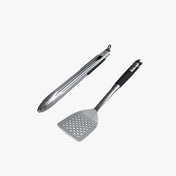
- Tongs (not a fork-don't pierce the meat), a small sheet pan or plate, and aluminum foil for tenting.
- Optional but helpful: a drip pan placed under the grill grates beneath the turkey to catch drippings and prevent flare-ups, a wireless smart thermometer for monitoring without lifting the lid, and grill-safe gloves.
- Charcoal grill users can mimic this setup by banking coals to one side of the grill for indirect heat. The rest of this article assumes a gas grill.
Ingredients and Flavor Options for a Grilled Turkey Breast Recipe
The base ingredients are simple. For a 2.5–3.5 lb bone in half breast, you need: kosher salt, black pepper, olive oil, garlic (minced or powder), fresh herbs like rosemary and thyme, and optionally lemon zest or a touch of honey for browning. Some cooks add a splash of worcestershire sauce to their rub or baste for extra savory depth.
For a compound herb butter to tuck under the skin, combine softened unsalted butter with minced garlic, chopped fresh herbs, salt and pepper, and a squeeze of lemon. This melts during cooking and keeps the breast meat from drying out underneath.
Here are three flavor directions that all work with the same cook method:
- Lemon-thyme and garlic: lemon zest, fresh thyme, rosemary, minced garlic, olive oil
- Smoky paprika and brown sugar: smoked paprika, dark brown sugar, garlic powder, a pinch of chili powder
- Chili-lime with cumin: lime zest and juice, ground cumin, chili powder or chipotle, garlic
If using a wet brine, a standard ratio is 1 gallon of water to 1 cup of kosher salt, with optional aromatics (bay leaves, peppercorns, citrus). A dry brine is simpler: salt and spices rubbed directly onto the meat. Brining enhances the turkey's juiciness and flavor significantly, especially for lean white meat. If the package says the turkey is already enhanced with a salt solution, either skip additional brining or cut the salt by at least half.
Prep: Thawing, Trimming, and Dry Brining the Turkey Breast
Start with food safety. Fully thaw frozen turkey breast in the refrigerator-roughly 24 hours per 4–5 lb, so about 24 hours for a 2.5–3.5 lb half breast. Never grill a partially frozen turkey; it causes dangerously uneven cooking.
Remove all packaging, discard any neck or giblets, and pat the turkey breast dry thoroughly with a paper towel. Drying the skin helps achieve a crispy texture when grilling. Trim any loose flaps of skin or excess fat that could cause flare-ups on the grill.
Gently loosen the breast skin from the meat with your fingers, working carefully to avoid tearing. This creates a pocket where you can tuck herb butter or seasoning directly against the meat. Applying seasoning under the skin promotes better flavor than seasoning the outside alone.
For a dry brine, sprinkle kosher salt (about 1 teaspoon per pound) and your chosen seasonings evenly over the breast and under the loosened skin. Set the turkey on a rack over a tray and refrigerate uncovered for 8–24 hours. The salt draws moisture out initially, then it reabsorbs along with the seasoning, concentrating flavor and helping the skin dry for better browning.
If you prefer a wet brine, combine 1 gallon of water with 1 cup of kosher salt and submerge the breast. Massage the brine into the turkey for better flavor absorption. Brine turkey breast for 3–4 hours in the refrigerator; if brining longer, flip the turkey in the brine every 4–6 hours for even flavoring. Seal the bag or container tightly-you can seal bag edges with a clip or use a lidded container. Cover any exposed surface with plastic wrap if needed.
Short on time? A 1–2 hour dry brine still helps, though flavor and moisture retention won't be as pronounced. Let the turkey come closer to room temperature for about 30 minutes before grilling (don't leave it out longer than that).
How to Grill Turkey Breast on a Gas Grill (Step-by-Step)

These instructions are for a 2.5–3.5 lb bone-in turkey breast on a multi-burner gas grill. Maintaining an ambient grill temperature between 325°F and 350°F (and up to 375°F) is ideal throughout the cook.
- Preheat the grill by turning on all the burners to medium-high, closing the lid, and letting the grill stabilize for 10–15 minutes. Use this time to scrape the grates clean with a brush.
- Set up two-zone indirect heat. Turn off the burner(s) on one side of the grill. Keep the opposite burner(s) on medium to hold the grill temperature at 350–375°F. Place a foil pan or drip pan on the unlit side beneath the grate to catch drippings.
- Coat the dry-brined turkey lightly with olive oil, especially over the skin. Lay flat the breast on the indirect heat side of the grill, skin side up, directly over the drip pan.
- Close the lid and cook. Use indirect heat for grilling turkey breast-resist opening the lid frequently. Expect a total cook time of about 60–90 minutes depending on grill temperature and breast size.
- After about 30 minutes, open the lid briefly and flip or rotate the turkey 180 degrees to compensate for hot spots, keeping it on the indirect side. The turkey turned at this point ensures even cooking. Flip turkey breast every 30 minutes for even cooking if you notice one side browning faster.
- Start checking the internal temperature with your meat thermometer after 45–50 minutes. Insert it into the thickest part of the breast, avoiding bone.
- Optional finishing sear: once the internal temp reaches around 150–155°F, move the turkey breast skin-side down over direct heat on the lit side of the grill for 2–3 minutes to crisp and brown the turkey skin. Watch carefully for flare-ups.
- Remove the turkey breast when the internal temperature in the thickest part reads 165°F (74°C). Tent loosely with foil and rest for 10–15 minutes before carving. Rest grilled turkey breast before slicing-this step is what keeps the meat from being dry.
Cook turkey breast until it reaches 165°F (73.9°C) internally. Temperature, not time, is the real finish line. Similar to grilling chicken breasts, hitting the right internal number is everything.
Internal Temperature, Doneness Checks, and Resting

Turkey breast should reach an internal temperature of 165°F (74°C) as measured with a meat thermometer in the thickest part of the breast, not touching bone. That number is your food safety baseline and your quality ceiling-cooking past 165°F can dry out the turkey meat quickly, turning juicy breast meat into dry meat nobody wants.
- Insert the thermometer from the side of the breast for the most accurate read. Check in 2–3 spots to confirm even cooking, especially near the bone and in the thickest outer section.
- Some cooks prefer pulling the turkey at 160°F and relying on carryover heat during the 10–15 minute rest to bring it to 165°F. This is common culinary practice, but it should be noted that USDA guidance calls for 165°F at the time of measurement. (Needs verification against current USDA standards for pull-and-rest method.)
- Resting matters because juices redistribute throughout the breast meat as fibers relax. Slicing too soon causes juices to run out onto the cutting board instead of staying in the meat.
- For more on reading grill and food temperatures accurately, there's a deeper breakdown worth consulting.
Gas vs Charcoal: Adapting the Method to Different Grills
The main difference between a gas grill and a charcoal grill for this cook is how you create indirect heat-not the target internal temperature. Both fuel types aim for the same 165°F finish.
- On a charcoal grill, bank lit coals to one side, leaving the opposite side empty. Place the turkey breast over the cool side, skin up. Aim for a 325–375°F dome temperature by managing the intake and exhaust vents.
- Charcoal adds more natural smoke flavor but requires closer management of fuel and airflow to maintain steady heat. Gas grills make holding a stable temperature easier over a 60–90 minute cook, which is why they're generally more forgiving for longer roasts like turkey breast.
- With charcoal, wind and coal quality can extend or shorten cook time unpredictably. In cold or windy conditions, gas grills also lose heat, but they recover faster.
- Regardless of fuel type, indirect heat is the key. Grilling a turkey breast over direct heat the entire time risks scorched skin on the outside and undercooked interior.
Serving, Carving, and Pairing Ideas
Place the rested turkey breast on a cutting board. Using a sharp chef's or boning knife, run the blade along the breastbone to remove the whole lobe of part of the breast. Then slice across the grain into ¼–½ inch slices for a pretty presentation on the platter. The family loved this approach at our last test because uniform slices look great and eat even better.
Save the breast bone and any trimmings for homemade turkey stock-it's an easy way to turn one grilled turkey into multiple meals.
Side dishes that work well with grilled turkey breast:
- Grilled vegetables pair well with turkey breast: asparagus, zucchini, or a grilled veggie medley cooked on the other side of the grill
- Charred onions complement grilled turkey breast nicely, adding smoky sweetness
- Grilled Hasselback sweet potatoes are a great side dish-slice, fan, oil, and grill alongside the turkey
- Grilled spiced cauliflower enhances the meal experience with a little cumin and smoked paprika
- Cornbread pairs excellently with grilled turkey breast, especially with a drizzle of honey butter
- A crisp summer salad is a refreshing side for turkey during grilling season
Serving options: classic holiday-style platter for Thanksgiving, sliced breast layered into warm sandwiches with gravy, or chilled slices for weekday salads and wraps.
Grilled Turkey Breast Troubleshooting and Heat Management
Even the best turkey recipe can hit snags. Here are fixes for the most common problems:
- Turkey skin burning before the inside is done: The breast is too close to direct heat, or burners are too high. Move the turkey further to the indirect side of the grill, lower burner output, and keep the lid closed. Avoid common grilling mistakes like searing lean poultry over high flame for the entire cook.
- Pale skin with no browning or grill marks: Finish with 2–3 minutes of direct heat at the end. Brush with oil or melted butter to promote browning. Make sure grates are hot and clean before placing the turkey.
- Dry breast meat: Caused by overshooting 165°F, cooking over direct heat too long, or skipping brine. The fix is prevention-use a thermometer, brine, and indirect heat. If the damage is done, slice thin and serve with gravy or pan juices.
- Uneven cooking from one side to another: Rotate the turkey halfway through. Monitor grill temperature and internal temperature rather than relying on a fixed clock. Wind, cold weather, and frequent lid opening all extend cook time.
- Outer meat done but near the bone still reads under 165°F: Keep grilling over indirect heat until it catches up, or finish the turkey breast in a 350°F indoor oven.
Other Turkey Recipes and Make-Ahead Uses for Grilled Turkey

Leftover grilled turkey breast is arguably better than the first serving. Here are ideas for other turkey recipes using what's left:
- Turkey club sandwiches with bacon, lettuce, and tomato
- Turkey cranberry paninis or grilled turkey melts
- Turkey tacos or quesadillas with salsa and avocado
- Grain bowls with chopped turkey over quinoa or rice with roasted vegetables
- Turkey soup made from the grilled bones and scraps-a spatchcocked Cajun turkey recipe uses a similar bone-stock approach
For storage: slice and cool leftovers quickly, pack tightly in shallow containers, and refrigerate for up to 3–4 days. For longer storage, freeze portions for up to a few months (exact safe duration needs verification). Label containers with the date.
The same seasoning and indirect heat technique works for dark meat cuts like turkey thighs and drumsticks (which benefit from cooking to 175–180°F). On a larger multi-burner gas grill with stable indirect zones, you can cook breast meat alongside vegetables or even run multiple turkey recipes at once. Browse more gas grill recipes for ideas to fill the rest of the grate.
Frequently Asked Questions About Grilling Turkey Breast
How long does it take to grill a bone-in turkey breast?
A 2.5–3.5 lb bone-in breast usually takes about 60–90 minutes over indirect heat at 350–375°F on a gas grill. Slightly larger bone-in breasts (4–5 lb) can push closer to 90–110 minutes, especially in cool or windy weather. Always verify doneness with a meat thermometer reading of 165°F rather than relying solely on cook time-all grills perform differently in real-world conditions.
Do I need to brine turkey breast before grilling?
Brining is optional but very helpful for producing the best turkey you can get off a grill, especially with lean white meat exposed to dry grill heat. A dry brine of 8–24 hours gives the best results for flavor and skin crispness, while even a short 1–2 hour dry brine makes a noticeable difference. If the label says the turkey is already enhanced with a salt solution, skip the extra brine or cut the salt significantly.
Should I use direct or indirect heat to grill turkey breast?
Cook turkey breast primarily over indirect heat. This prevents the exterior from burning before the inside reaches a safe internal temperature. Direct heat should only be used for a short finishing sear-2 to 3 minutes skin-side down-to brown and crisp the skin at the end. On a gas grill, that means burners on one side set to medium, turkey breast on the opposite cooler side, lid closed.
Can I grill turkey breast on a small gas grill or portable model?
Yes, as long as you can create at least a small indirect heat zone and maintain a lid temperature near 325–375°F. Position the turkey as far from the active burner as possible, reduce burner output slightly, and use a foil pan to manage drippings. Smaller grills fluctuate more with ambient conditions, so check internal temperature more frequently.
How do I keep grilled turkey breast from drying out?
The key protections against turkey going dry are straightforward: don't overcook past 165°F, use a brine (dry or wet), and cook over indirect heat with the grill lid closed. Brush with a little olive oil or melted butter during cooking if the surface looks parched. Resting the grilled turkey for 10–15 minutes before slicing lets juices redistribute so they stay in the meat, not on your cutting board. This is a great recipe to review if you've struggled with dry turkey in the past-the method is forgiving as long as you trust the thermometer over the clock. If you have results to share, feel free to comment something below about how your cook turned out.
How do split, whole, and boneless turkey breasts differ in this guide?
A split bone-in breast is one side, a whole bone-in breast includes both sides, and a boneless roast is a separate format. The recipe focuses on a smaller bone-in half breast, so adjust the plan for other sizes.
How can I season turkey breast beneath the skin?
Gently loosen the skin without tearing it, then tuck the herb butter or seasoning into the pocket against the meat. The guide uses garlic, herbs, and lemon in its butter option.
What if turkey-breast skin browns before the center is ready?
Move it farther onto the indirect side, lower the burner output, and keep the lid closed. Do not leave lean breast meat over strong direct heat for the entire cook.
How should I carve the rested bone-in turkey breast?
Remove the lobe from the breastbone with a sharp knife, then slice across the grain. This gives more uniform serving slices than cutting randomly around the bone.
What meals can use leftover grilled turkey breast?
The article suggests club sandwiches, cranberry paninis, tacos or quesadillas, and grain bowls. Choose the format that suits the remaining slices or chopped meat.




Join the conversation
Share Your Thoughts
Have a question, a variation, or a result worth sharing? Add it to the conversation.