
If your gas grill suddenly starts blasting high flames, burning food way too fast, or flaring up out of nowhere, something's off, but it's usually not a big deal to fix.
Most of the time, it comes down to either grease buildup or a small issue with airflow or burners.
Here's how to quickly figure out what's going on and get it under control.
First, Figure Out What Kind of Gas Grill Problem You Have
Before taking anything apart, take a quick look at how the flame behaves:
- Only happens right after ignition? That's usually normal
- Flames look uneven or come from odd spots? A yellow flame instead of a blue flame can point to airflow or burner trouble
- Flame stays high even on low? A burner problem, gas supply issue, or faulty pressure regulator is often the cause
- Sudden bursts while cooking? That's classic flare-ups
Once you know which one it is, understanding the flame pattern makes the fix a lot easier.
Quick Reference: Problem vs Fix
| What You See | What It Usually Means | What to Do |
|---|---|---|
| Big flame right after lighting | Normal startup | Give it a few seconds |
| Flames in weird places |
Blocked burner ports or orifices |
Clean and realign |
| Can't lower the flame | Burner, regulator, or gas flow issue | Check the regulator or burner openings |
| Fire bursts while cooking | Grease flare-ups | Move food before it gets burned, lower heat |
| Happens all the time | Dirty grill | Clean it thoroughly |
| Worse when lid is open | Too much airflow | Close lid or adjust position |
The Most Common Fix: Clean the Grill
This solves more problems than people expect.
Grease and debris build up over time—on the grates, heat plates, and especially in the drip tray. Once that heats up, it becomes fuel.
If your grill hasn't been cleaned in a while, start here:
- Scrape the grates
- Clean the heat plates
- Empty the grease tray
Cleaning helps ensure more consistent operation and optimal performance.
Check the Venturi Tubes

If the flames look wrong (not just high, but uneven or coming from odd spots), airflow is probably the issue.
Venturi tubes mix gas with air, including the oxygen needed for a proper burn. When they're blocked—sometimes by dust or even insects—the flame can run high, get unpredictable, and cause uneven cooking.
What to do:
- Turn off the gas
- Remove the burners
- Clean out the tubes
- Make sure everything lines up when you put it back
Take a Look at the Burners

Burners don't last forever, and wear can vary by grill model. Over time they can rust, crack, or wear unevenly.
Signs to look for:
- Uneven flame pattern or blocked burner ports
- Hot spots
- Visible damage
If you see any of that, it's usually easier to just replace them, since worn burners can lead to bigger flame problems if ignored.
Flare-Ups: The Real Reason Most Flames Get Too High
A lot of people think something is “wrong” with their grill when flames shoot up during cooking. In reality, flare-ups can look dangerous even when the cause is just grease hitting heat.
Common triggers:
- Fatty cuts of meat
- Too much oil or marinade
- A dirty grill
A large flare-up can reach the food quickly.
A few small adjustments help a lot, and making them early can reduce the risk:
- Trim excess fat
- Let marinade drip off before cooking
- Don't cook everything on max heat
Use Two-Zone Cooking (This Helps a Lot)
Instead of running the whole grill hot, build it into two zones:
- One side high heat
- One side low or indirect, and leave one side clear for gentler cooking
When flames flare up, just move the food over. It’s a simple trick, but very effective.
Tools That Make This Easier
You don't need anything fancy, but a few basics help:
For cleaning
- A solid grill brush
- A scraper for built-up grease
- Drip tray liners
For maintenance
- Small brush or pipe cleaner (for venturi tubes)
- Replacement burners (if yours are worn out)
For cooking control
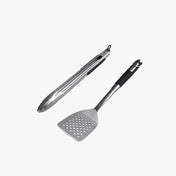
- Long tongs (so you can react quickly)
- Meat thermometer
- Grill mats if flare-ups are frequent
What Not to Do
Don't pour water on flare-ups. That's dangerous advice to follow.
It sounds logical, but it just spreads grease and can make things worse; covering the grill cuts off oxygen instead. Instead:
- Move the food
- Turn the heat down
- Close the lid to smother flames safely
If It's Still Happening, Check the Pressure Regulator

If you've cleaned everything and it's still acting up, go a bit deeper, since persistent issues can point to the gas supply or a regulator setting problem:
- Regulator working properly, with pressure adjusted to the correct setting
- No leaks in the hose
- Burners aligned correctly
- No blockages in airflow
- If your grill uses propane conversion parts, make sure they match the burner setup
- Grease tray not overflowing
At that point, it's usually a part issue, not a cooking issue—for example, a technician may need to fix the regulator or send replacement guidance.
Final Thoughts
If your gas grill flame is too high, it's almost always one of two things:
- Grease and flare-ups
- Airflow or burner problems
Once you narrow it down, the fix is usually quick, and your grill goes back to normal.




Join the conversation
Share Your Thoughts
Have a question, a variation, or a result worth sharing? Add it to the conversation.