
On this page
If you're new to grilling and have no idea about what to do first, here are 5 useful tips that can surely better prepare yourself for this adventure. Also be sure to check our Grilled Out Cooking Guide for more techniques and recipes.
These grilling tips for beginners start with five habits that make the biggest difference, then cover safety checks, two-zone heat, using a thermometer, easy first cooks, and cleanup.
New to grilling? Focus on five things: preheat the grill (most gas grills need around 10 minutes), prep your food indoors before you head outside, keep a hot side and a cooler side on the grill, check doneness with an instant-read thermometer instead of the clock, and clean the grates after every cook.
Before your first cook of the season, and any time you reconnect a propane tank, check the gas connections for leaks.
Before You Light the Grill: Setup and Safety
Run through this list before you turn a knob:
- Grill outdoors only. Set the grill well away from the house, deck railings, and overhanging branches.
- Read the owner's manual for your model. It has the lighting sequence, the preheat guidance, and the connection steps for your tank.
- Check for gas leaks. After you connect or reconnect a propane tank, and at the start of the grilling season, do a gas leak test on your grill before you light it. Never use a flame to look for a leak.
- Make sure you have enough fuel. Running out halfway through a cook is a classic beginner surprise. Our guide to choosing and checking a propane tank explains tank sizes and how to check how much is left.
- Open the lid before lighting a gas grill, so gas can't build up under it.
- Keep kids and pets away from the grill area, and never leave a lit grill unattended.
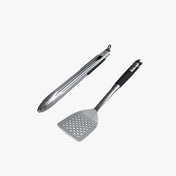
- Set out your tools: long tongs, a spatula, a grill brush, an instant-read thermometer, and a clean platter for cooked food.
If you ever smell gas, don't try to light the grill. Turn it off only if you can do so safely, move away, and follow the emergency steps at the top of the leak test guide.
1. Preheat Your Grill
A good beginning makes a good ending. After igniting your grill or lighting the charcoal, it’s better to wait for it to heat up. In most cases, gas grills heat quickly with around 10 minutes of preheat time, while charcoal grills take longer. Refer to your grill's manual for specific preheat instructions and times.


Keep the lid closed while the grill preheats so the grates heat up, not just the air around them. When the grill is hot, brush the grates clean, then fold a paper towel, dip it in a high-heat oil such as canola or avocado, and wipe it across the grates with long tongs. Clean, hot, lightly oiled grates release food more easily and give you better grill marks. Never spray aerosol oil over an open flame.
2. Prepare food before grilling
To avoid being in a flurry of action, instead of doing it while cooking, it's recommended to set up your meats and veggies before getting to the grill. Slice vegetables, make burger patties and marinate chicken inside, then bring them outside.
Bring out two platters: one for raw food going to the grill and a clean one for cooked food coming off it. Don't put cooked meat back on a plate that held raw meat, and keep the tongs you use on raw chicken away from food that's ready to serve.


Mesa 400M | 4-Burner Propane Gas Grill
From grilling to cleaning, it has never been so easy with our all-in-one Mesa 400M .
3. Flip meat only once
Being impatient is one of the most common grilling mistakes. Remember, try to resist the temptation, and turn meats only once while they're cooking so that the moisture and flavor could be retained. Bigger cuts of meat can be turned more than once, just to ensure the meat is done.

4. Wrap veggies in foil
Due to their smaller sizes, veggies can easily fall through the rack and are hard to grill. Wrapping them in heavy-duty foil will make it easier to cook and keep them tender and the grates clean.

5. Clean your grill
We know cleaning a grill is hard, but to keep your grills in tip-top shape and for safety purposes, you’d better preheat the grill for a few minutes and then scrub the grates with a brush suited to your grate material until all the leftover food pieces are gone. Check the brush for loose or damaged bristles, and wipe the grates afterward so no bristles end up in your food.
Direct vs. Indirect Heat: Set Up Two Zones
The single most useful setup for a beginner is a two-zone fire: one side of the grill hot, the other side cooler. It gives you a place to brown food and a place to finish it gently.
Direct heat
Food sits right over the lit burners. Use it for fast-cooking foods such as burgers, thin chicken breasts, and steaks, where you want a browned crust and grill marks.
Indirect heat
Food sits over burners that are turned low or off while the rest of the grill heats with the lid closed. Use it for thicker cuts, for food that's browning faster than it's cooking, and as a safe spot during a flare-up.
On a gas grill, light the burners and preheat as usual, then turn one side down to low or off. Start thicker pieces over direct heat to build color, then move them to the cooler side and close the lid until the center is done. Our guide to how long to grill chicken breasts walks through this sear-then-move pattern for thick breasts, and the same idea works for extra-thick burgers.
Use a Thermometer, Not the Clock
Cooking times are only a starting point: thickness, wind, and how often you open the lid all change them. An instant-read thermometer takes the guessing out of it.
Push the probe into the thickest part of the food from the side, keeping it away from bone and from the grate itself. For thin pieces like burgers and chicken breasts, sliding the probe in sideways gives a truer reading of the center.
Don't rely on the lid gauge alone. Heat rises, so the reading at the lid can be different from the temperature at the grate where your food sits. For the heat ranges that suit different foods and the internal temperatures that mean they're done, see our tips for knowing the right grill temperature every time.
What to Grill First
Pick something forgiving for your first few cooks:
| Food | Heat setup | Rough time | Done when |
|---|---|---|---|
| Burgers, ¾-inch patties | Direct, medium-high (375–450°F) | About 6–7 minutes per side | 160°F in the center |
| Boneless chicken breasts, 6–8 oz | Direct, medium-high (425–450°F), lid closed | About 10–12 minutes total, flipped once | 160–165°F at the thickest part, then rest; 165°F is the safe temperature for chicken |
| Steaks | Direct high heat (450–600°F) | Go by temperature | 145°F plus a 3-minute rest; 130–135°F if you prefer medium-rare |
| Vegetables in a foil packet | On the grate, wrapped in heavy-duty foil (tip 4) | Varies with size | Tender when pierced with a fork |
Burger and chicken heat and times come from our burger and chicken breast timing guides; steak temperatures match our grill temperature chart. Times are starting points, so check with a thermometer.
Burgers are a great first cook because they're quick and easy to check. Our guide on how long to grill burgers has times for thinner and thicker patties and for every level of doneness.
Common Beginner Grilling Mistakes
Tip 3 already covers flipping too often. Watch for these too:
- Putting food on a cold grill. Cold grates make food stick and leave you with a pale surface instead of a browned crust.
- Running every burner on high the whole time. The outside chars before the inside cooks. Use a two-zone setup and move food to the cooler side when it needs more time.
- Lifting the lid every minute. Each time the lid opens, heat escapes and the grill has to recover, so food cooks less evenly.
- Pressing burgers with the spatula. That sizzle is juice leaving the patty, and the dripping fat can cause flare-ups.
- Crowding the grates. Leave space between pieces so they cook evenly and you have room to move food.
- Brushing on sweet sauce too early. Sugar burns fast over direct heat. Add BBQ sauce near the end of the cook.
- Cutting into meat right off the grill. Let it rest for a few minutes so the juices can redistribute instead of running onto the board.
If a flare-up starts, move the food to the cooler side of the grill until the flames settle. Never use water on a grease fire. If the flames keep growing, turn off the burners and the gas supply if you can do so safely.
After You Grill: A Quick Cleanup Routine
Tip 5 takes care of the grates. A couple more habits keep grease from building up:
- After the food comes off, leave the grill running for a few minutes to burn off leftover grease and food bits, then brush the grates.
- Shut the grill down the way your manual describes: burners off and the propane tank valve closed.
- Once the grill and grease have cooled completely, check the drip pan and empty it when it's getting full. Built-up grease in the drip pan or inside the grill can catch fire.
Every so often, give the grill a more thorough cleaning. Our step-by-step guide to cleaning your Monument grill covers the drip pan, grates, heat shields, interior, and exterior in order.
Grill Tips for Beginners: Common Questions
How do I use a gas grill for the first time?
Set the grill up outdoors, away from the house, and connect the propane tank the way your manual describes. Do a leak test before the first light. Open the lid, light the burners following your manual's lighting sequence, close the lid, and let the grill preheat. For the first cook, pick something forgiving like burgers or boneless chicken breasts and check them with a thermometer.
How long should I preheat a gas grill?
In most cases, a gas grill heats up in around 10 minutes with the lid closed, while charcoal takes longer. Your grill's manual has the specific preheat instructions for your model.
Should I grill with the lid open or closed?
Close the lid while the grill preheats and when you're cooking thicker foods or using indirect heat, so the grill holds its temperature. Thin, fast-cooking foods such as thin burger patties can be grilled with the lid open while you watch them.
How do I know when meat is done?
Use an instant-read thermometer in the thickest part of the meat. Color and grill marks are not reliable signs of doneness. The table above lists the target temperatures for burgers, chicken breasts, and steaks.




Join the conversation
Share Your Thoughts
Have a question, a variation, or a result worth sharing? Add it to the conversation.