
On this page
Rotisserie ribs are baby back pork ribs cooked on a rotisserie spit for even heat, tender meat, and a sticky, bold BBQ finish with smoky, sweet, and savory flavor. Built for backyard grilling enthusiasts and homeowners who enjoy outdoor cooking, this method keeps ribs simple, flavorful, and easy to manage on a modern grill for family dinners or weekend gatherings.
Here's the short version: preheat your gas grill to 300°F with the outside burners on high and the interior burners off, thread the rack onto the spit in an S shape, and let it turn for about 2½ hours, until the meat starts pulling back from the bones. Then brush on BBQ sauce and keep it turning for about 30 more minutes, until the sauce sets into a sticky glaze.
The ingredients are carefully selected for quality and flavor. The baby back ribs are sourced fresh and trimmed, and because they are leaner and cook faster than spare ribs, they are a great fit for rotisserie cooking. The seasoning blend includes spices like paprika, garlic powder, onion powder, kosher salt, and brown sugar, which are staples in barbecue cooking and often sourced from trusted suppliers to maintain consistency. The use of yellow mustard as a binder helps the rub stick to the meat, enhancing the flavor profile.
What makes this recipe special is the balance of smoky, sweet, and savory notes achieved through the rotisserie cooking method. The slow rotation bastes the ribs in their own juices, resulting in juicy meat with a crispy crust that is packed with flavor. Wood chips can be added during cooking for extra smoky barbecue flavor, with hickory being a great option.
I love this recipe because it makes traditional barbecue easier, delivering tender, juicy ribs with less hands-on work. The rotisserie turns the ribs for even cooking, but you still need to keep an eye on the heat, doneness, and glaze. You'll find the full rotisserie rib recipe here, along with ingredient choices, seasoning and prep steps, grill setup and cooking technique, flavor ideas, pairing suggestions, and the Monument Grills Rotisserie Kit that helps make the process even easier.
Behind the scenes, developing this recipe involved experimenting with different rubs, cooking times, and temperatures on a gas grill and a charcoal grill like the Weber Kettle and Big Green Egg. The goal was to find the sweet spot of medium heat and long cooking time that produces tender ribs without drying them out. Testing various barbecue sauces helped identify the ideal glaze application time to avoid burning while maximizing flavor.
I enjoy eating these rotisserie ribs paired with classic sides like coleslaw, baked beans, and cornbread. For a twist, sometimes I add a sprinkle of cheese or a dash of hot sauce for extra kick. This recipe is versatile and can be adapted to different tastes and occasions, making it a go-to for anyone who loves delicious, juicy rotisserie ribs.

Ingredients
- 1 Rack of Pork Back Ribs
- ¼ Cup Yellow Mustard
- Monument Grills Texas Sweet BBQ Sauce
- Monument Grills Texas Pork Rub to Taste
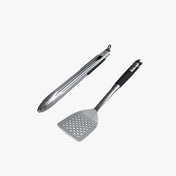
Additional Tools

Preparation
Set Up the Grill
- Preheat your grill to 300°F using the outside burners on high and the interior burners off.
Skewer and Season the Ribs
- Skewer the ribs onto the rotisserie spit by pushing the skewer between every 3-4 bones. This will create an S shape out of the ribs.
- Rub both sides of the ribs with yellow mustard.
- Season both sides of the ribs with Monument Grills Texas Pork Rub.
- Insert the rotisserie spit in the rotisserie motor and turn it on.
Cook Until Tender
- Cook for approximately 2 ½ hours until the meat starts pulling back from the bones.
Glaze and Rest
- Using a basting brush, apply Monument Grills Texas Sweet BBQ Sauce to all sides of the ribs.
- Continue cooking for an additional 30 minutes until the sauce has formed a sticky glaze.
- Remove from the grill and allow to rest. Remove from the rotisserie spit and serve.
How to Tell When Rotisserie Ribs Are Done
Treat the 2½-hour mark as a guide. Racks vary in size, and the weather and how often you open the lid change how fast the grill cooks. Check the ribs before you brush on the sauce, pausing the motor so the meaty side faces you.
- Bone pullback: the meat has shrunk back from the ends of the bones, exposing a little bare bone. This is the cue in step 6.
- Probe feel: a thermometer probe or skewer slides into the meat between the bones with very little resistance. Tender ribs usually read 190–203°F there.
- Bend test: this one is hard to do while the rack is threaded on the spit, so use it as a final check. When you slide the ribs off to serve, a finished rack bends easily when lifted from one end, and small cracks open across the surface.
If the meat still grips the bones and the probe meets resistance, keep the ribs turning and check again before you glaze.
Rotisserie Ribs FAQ
How do you put ribs on a rotisserie?
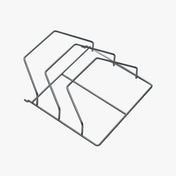
For one rack, you don't need any extra hardware. Push the spit between the bones every 3–4 bones, as in step 2, so the rack folds into an S shape that holds steady as it turns. A rotisserie rib rack is an accessory that holds several racks on the spit at once; if you use one, follow its loading instructions and keep the weight balanced so the spit turns smoothly. Boneless cuts are simpler to load: for our honey mustard rotisserie pork loin, the spit goes straight through the center of the roast, and the seasoning is the same Texas Pork Rub.
Can you use spare ribs instead of baby back ribs?
Yes. Spare ribs and St. Louis-style ribs are bigger and meatier than baby backs, so they take longer on the spit. Use the same grill setup and go by the doneness checks above rather than the clock. Our look at the 3-2-1 rib method explains why cooking schedules for spare ribs and baby backs differ so much.
What if you don't have a rotisserie?
For a different approach without the rotisserie, see our guide to cooking ribs on a gas grill. It cooks the ribs over indirect heat with the lid closed and uses the same doneness checks.

New Smart Denali 605Pro Grill
- 5 infrared burners + a built-in ceramic IR burner + a side sear burner, total 78,000 BTUs
- Total 900 sq in. cooking area
- Cover, rotisserie kit and 2 meat probes included
- Bluetooth app control
- LED temp display panel
- Upgraded stainless-steel firebox
- Easyswap propane tray

Watch Video Tutorial




Join the conversation
Share Your Thoughts
Have a question, a variation, or a result worth sharing? Add it to the conversation.